


# The Intersection of Technology and Imagination: How AI Art is Redefining the Artistic Landscape
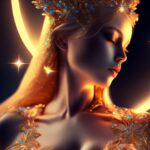
The artistic landscape has undergone a profound transformation over the past few years, largely due to the advent of artificial intelligence (AI). This innovative technology has not only changed the way art is created but has also influenced how it is perceived and valued. As we delve into the intersection of technology and imagination, it becomes clear that AI art is not merely a trend; it is a revolutionary force reshaping the very essence of creativity.
## The Emergence of AI Art
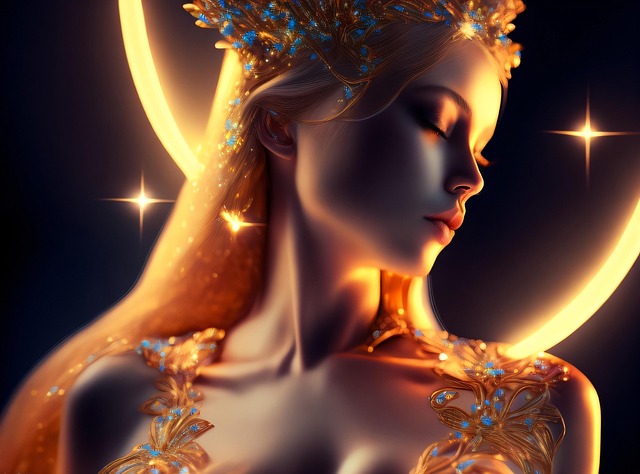
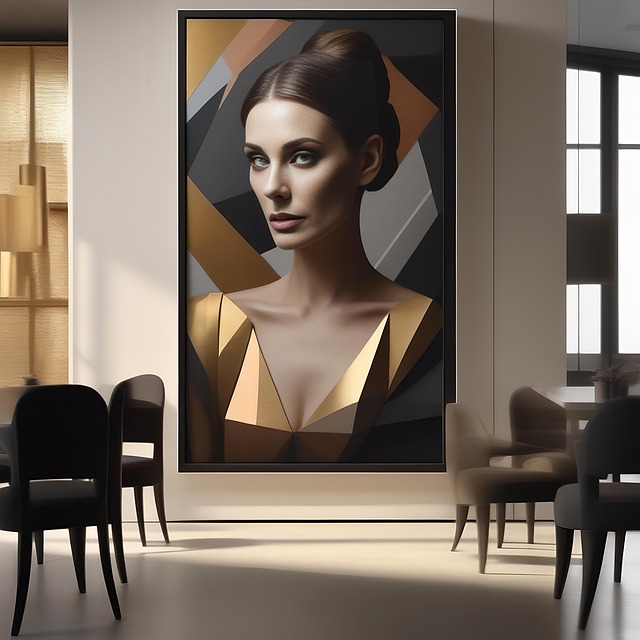
To understand the impact of AI on art, one must first appreciate the technology behind it. Machine learning algorithms, particularly those based on neural networks, have made significant strides in recent years. These systems are trained on vast datasets of existing artworks, allowing them to learn patterns, styles, and techniques employed by human artists. Consequently, AI can generate original pieces that mimic various artistic styles, from classical to contemporary.
In practice, AI art can take many forms. Generative adversarial networks (GANs) are one of the most prevalent methods used in this domain. By pitting two neural networks against each other—one generating images and the other evaluating them—GANs create increasingly sophisticated artworks. This process not only showcases the technical prowess of AI but also raises questions about authorship and creativity in the digital age.
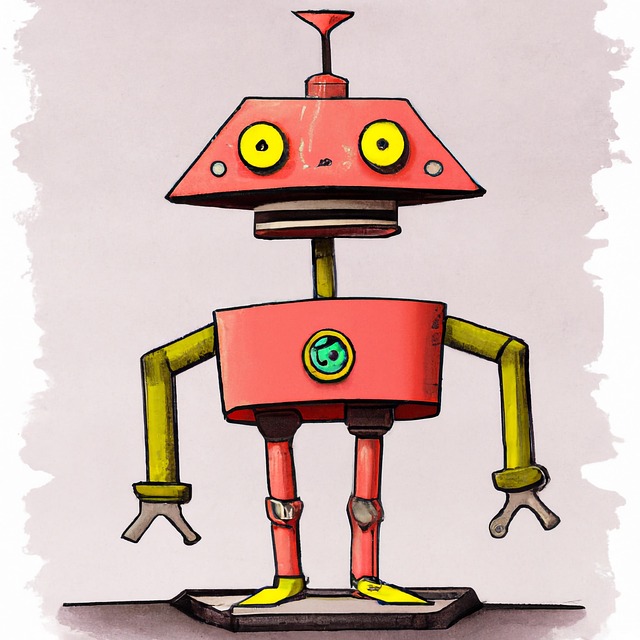
Moreover, platforms such as DALL-E and Midjourney have democratized access to AI-generated art, allowing anyone with an internet connection to create unique pieces. This accessibility has sparked a new wave of artistic expression, where individuals without formal training can experiment with visual storytelling. Such developments have led to a burgeoning community of AI artists who are pushing the boundaries of what is considered art.
## The Role of Human Creativity
While AI has proven to be a powerful tool in the creative process, it is essential to recognize the role of human imagination in this new artistic paradigm. Artists who embrace AI as a collaborator rather than a replacement are redefining their creative practices. By leveraging AI’s capabilities, they can explore uncharted territories in their work, leading to innovative outcomes that merge human intuition with machine efficiency.
Collaboration between artists and AI also invites a rethinking of traditional artistic techniques. For instance, some artists use AI to generate initial concepts, which they then refine and reinterpret through their unique lens. This hybrid approach fosters a dialogue between human creativity and machine learning, resulting in artworks that reflect both the artist’s vision and the AI’s computational prowess.
Furthermore, the emotional and conceptual depth of art remains firmly rooted in human experience. AI, while capable of producing visually stunning pieces, lacks the capacity for genuine emotion and personal narrative. This distinction underscores the importance of human input in the artistic process. As a result, the relationship between artist and AI is one of synergy, where each party contributes its strengths to create something greater than the sum of its parts.
## The Cultural and Ethical Implications
As AI art continues to gain traction, it raises critical questions about authorship, originality, and the value of creativity. The notion of an artist as a singular creator is challenged by the collaborative nature of AI-generated works. This shift necessitates a reevaluation of how we define artistic ownership. Who, after all, is the true creator of an AI-generated piece: the algorithm, the programmer, or the artist who provided the initial input?
Cultural institutions, galleries, and collectors are grappling with these dilemmas as they navigate the burgeoning field of AI art. The traditional art market, which has long been based on the uniqueness and scarcity of individual works, faces disruption as AI-generated pieces can be replicated and modified with relative ease. As a result, the criteria for valuing art may need to evolve, incorporating new metrics that account for the collaborative nature of AI.
Moreover, ethical considerations come to the forefront as AI-generated art raises questions about bias and representation. The datasets used to train AI systems often reflect existing societal biases, which can inadvertently influence the art produced. Artists and technologists must work together to ensure that AI tools are designed and trained in a way that promotes inclusivity and diversity, rather than perpetuating stereotypes or exclusion.
In addition to these ethical concerns, the rise of AI art also prompts a broader discussion about the future of artistic professions. While some fear that AI could replace human artists, it is more likely that it will augment their capabilities. As AI continues to evolve, artists who adapt and incorporate these technologies into their practice will find new opportunities for expression and innovation.
## Conclusion: A New Era of Artistic Expression
The intersection of technology and imagination heralds a new era in the world of art. AI art is redefining the artistic landscape by challenging traditional notions of creativity, authorship, and value. As artists and technologists collaborate, they are creating a rich tapestry of expression that transcends the limitations of conventional art forms.
In this evolving landscape, the role of human creativity remains paramount. Artists who embrace AI as a tool for exploration rather than a competitor will undoubtedly lead the charge in this new artistic frontier. As we continue to navigate these uncharted waters, it is crucial to foster an environment that encourages innovation while addressing the cultural and ethical implications of AI-generated art.
Ultimately, the fusion of technology and imagination offers limitless possibilities for the future of art. By harnessing the power of AI, artists can push the boundaries of their creativity, inviting audiences to engage with art in ways that were previously unimaginable. As we stand at the crossroads of tradition and innovation, the potential for artistic expression is boundless, promising a vibrant and diverse future for the world of art.