


# The Intersection of AI and Art: How Technology is Redefining the Limits of Artistic Expression
The fusion of artificial intelligence (AI) and art is an evolving phenomenon that is captivating artists, technologists, and audiences alike. As AI technologies continue to advance, they are not only transforming traditional artistic practices but also challenging our understanding of creativity itself. This article explores how AI is reshaping artistic expression, the implications for artists and the art market, and the philosophical questions that arise from this intersection.
## The Role of AI in Artistic Creation
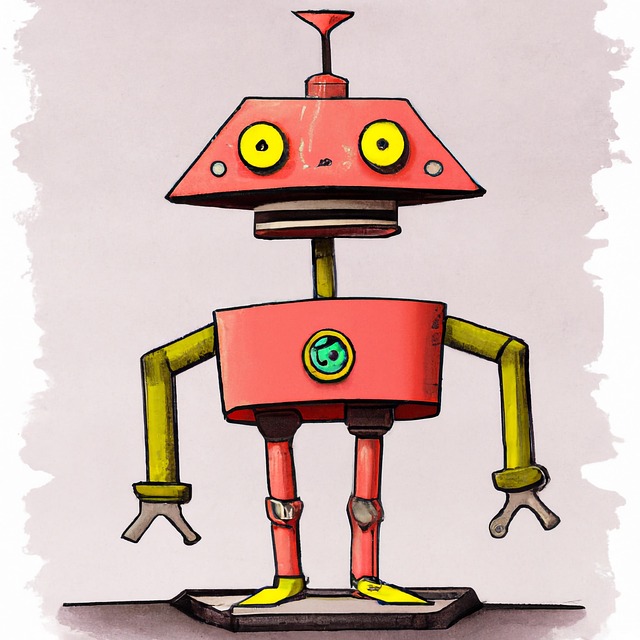
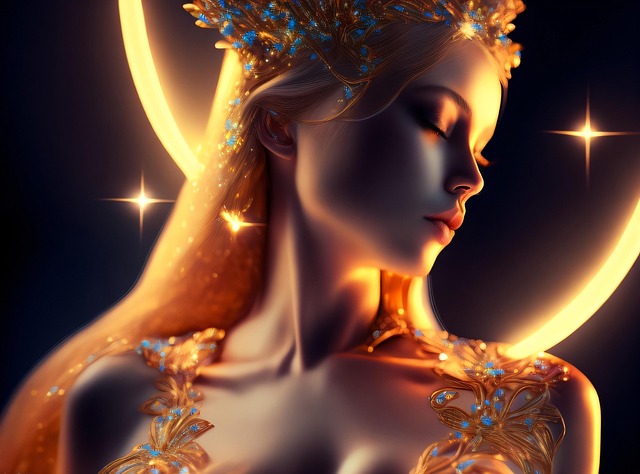
Artificial intelligence has become a powerful tool for artists, providing new avenues for exploration and creativity. Machine learning algorithms can analyze vast datasets of existing artworks, learning styles, techniques, and patterns that can then be emulated or transformed into new creations. For instance, AI programs like DeepArt and DALL-E utilize neural networks to generate images based on textual prompts or to reimagine existing artworks in different styles. This capability allows artists to push the boundaries of their creativity, experimenting with forms and concepts that were previously unattainable.
Moreover, AI can assist in the creative process by generating ideas or providing inspiration. Artists can use AI as a collaborative partner, where the machine offers suggestions that the artist can refine or develop further. This synergy between human intuition and machine learning leads to innovative outcomes that blend human emotion with algorithmic precision. As a result, the artistic landscape is expanding, with AI enabling creators to explore uncharted territories in visual arts, music, literature, and beyond.
## The Impact on the Art Market
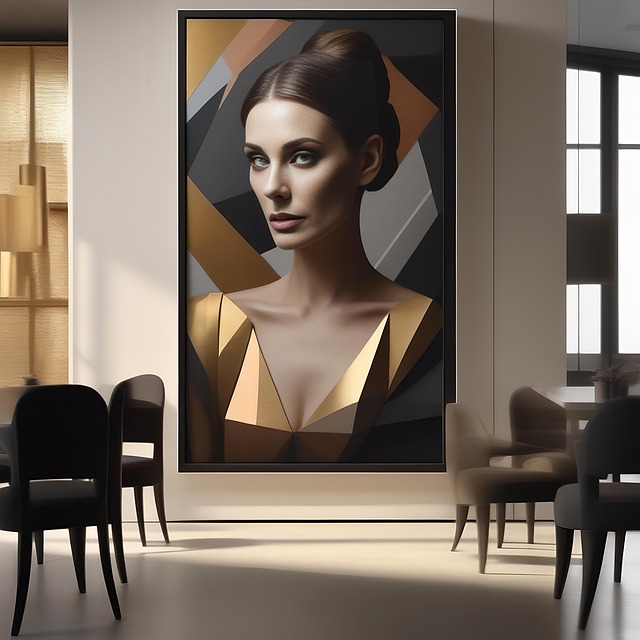
The integration of AI into the art world has significant implications for the market itself. As AI-generated artworks gain recognition, questions arise regarding authorship and value. Traditional notions of originality are being challenged, as artworks created by algorithms can be indistinguishable from those made by human hands. This shift prompts a reevaluation of how art is valued and sold. For example, AI-generated pieces have already fetched high prices at auctions, indicating a growing acceptance of machine-made art among collectors and investors.
Furthermore, the democratization of art creation through AI tools allows a broader range of individuals to engage in artistic practices. With user-friendly applications, anyone with access to technology can experiment with creating art, regardless of their formal training. This accessibility is fostering a new wave of artists who may not have previously considered themselves part of the art world. Consequently, the art market is witnessing an influx of diverse voices and perspectives, enriching the cultural landscape.
## Philosophical Questions and Future Considerations
As AI continues to redefine artistic expression, it raises profound philosophical questions about the nature of creativity and the role of the artist. What does it mean to create art in an age where machines can produce works that evoke emotional responses? The distinction between human and machine creativity becomes increasingly blurred, leading to debates about the essence of artistry itself. Some argue that true creativity is inherently human, grounded in personal experience and emotion, while others contend that AI can also contribute to meaningful artistic endeavors.
Additionally, ethical considerations come into play as AI technologies become more integrated into the art world. Issues of copyright, ownership, and the potential for exploitation of artists’ styles by AI systems are critical discussions that need to be addressed. As artists navigate this new landscape, it is essential to establish frameworks that protect their rights while allowing for innovation and collaboration with AI.
Looking ahead, the future of AI in art remains uncertain yet promising. The ongoing development of more sophisticated algorithms will likely lead to even more complex and nuanced artistic expressions. As artists embrace these tools, the potential for hybrid forms of art that blend traditional techniques with AI-generated elements will continue to emerge. The dialogue between technology and creativity will undoubtedly shape the next generation of artists and the art they produce.
In conclusion, the intersection of AI and art is a dynamic and multifaceted domain that is redefining the limits of artistic expression. With AI serving as both a collaborator and a catalyst for innovation, artists are discovering new ways to create and engage with their audiences. As the art market adapts to these changes and philosophical questions arise, the conversation surrounding AI’s role in art will continue to evolve. Ultimately, this intersection invites us to reconsider our definitions of creativity and the future of artistic expression in a technology-driven world.