
# Essential AI Tools for Artists to Innovate Their Techniques and Enhance Their Artistic Journey
The world of visual and digital art is undergoing a profound transformation, thanks to the emergence of artificial intelligence (AI) tools. These innovative technologies are not only enhancing traditional artistic techniques but also enabling artists to explore new creative horizons. In this article, we will delve into some of the most influential AI tools for artists, including DALL·E, Midjourney, Stable Diffusion, Runway ML, and Adobe Firefly. We’ll examine how these tools assist with digital illustration, concept art, video generation, and design work, providing real examples from artists and creative professionals.
## The Rise of AI Tools for Artists
As the digital landscape evolves, so too do the tools available to artists. AI digital art generators are becoming increasingly sophisticated, allowing for the creation of stunning visuals that were previously unimaginable. These generative art tools harness machine learning algorithms to produce unique artworks, enabling artists to innovate their techniques and enhance their artistic journey.
### Key AI Tools for Artists
#### 1. DALL·E
Developed by OpenAI, DALL·E is a revolutionary AI model that generates images from textual descriptions. Artists can input a phrase or concept, and DALL·E creates a corresponding visual representation. This tool is particularly useful for:
– **Concept Art**: Artists can quickly generate ideas for characters, settings, or objects.
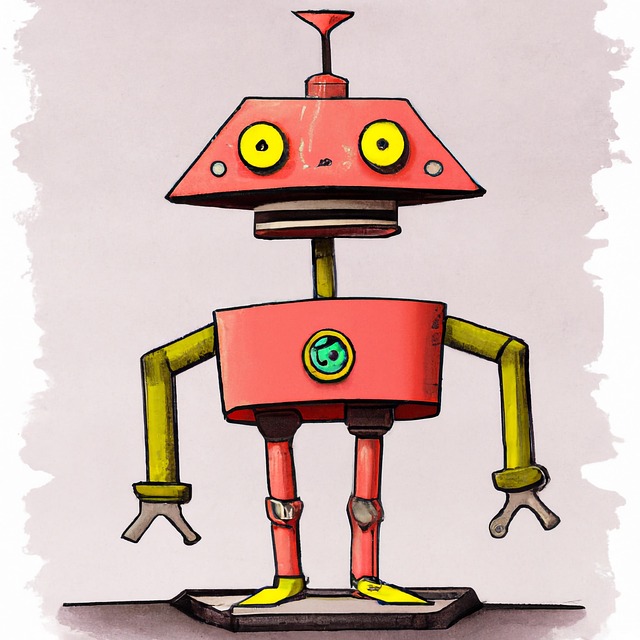
– **Illustration**: DALL·E can produce whimsical and imaginative illustrations based on specific prompts.
**Example**: Artist and illustrator Sarah Johnson used DALL·E to generate concept art for a fantasy novel. By inputting descriptive phrases, she was able to visualize different characters and settings, which significantly accelerated her creative process.
#### 2. Midjourney
Midjourney is an AI tool that specializes in creating high-quality images from text prompts, similar to DALL·E but with a distinct artistic style. It allows artists to explore various aesthetics and themes by simply altering the input text.
– **Digital Illustration**: Midjourney excels in producing vibrant and stylized illustrations.
– **Creative Exploration**: Artists can experiment with different visual styles by modifying their prompts.
**Example**: Graphic designer Tom Lee utilized Midjourney to create a series of promotional posters for a music festival. By experimenting with various prompts, he generated a collection of visually striking designs that captured the festival’s energetic vibe.
#### 3. Stable Diffusion
Stable Diffusion is an open-source AI model that generates images based on textual input. It is known for its versatility and ability to produce highly detailed images. Artists can fine-tune the output by adjusting parameters, making it a favorite among those who prefer a hands-on approach.
– **Fine Art Creation**: Artists can create intricate pieces by iterating on their prompts and refining the results.
– **Collaboration**: Stable Diffusion allows artists to collaborate with the AI, merging their unique styles with the model’s capabilities.
**Example**: Digital artist Emily Chen used Stable Diffusion to create a series of abstract paintings. By adjusting various parameters, she was able to produce a diverse range of artworks that reflect her personal style while incorporating the AI’s unique interpretations.
#### 4. Runway ML
Runway ML is a powerful platform that combines AI with creative tools for video generation, image editing, and more. It offers a suite of features that cater to various artistic needs, making it an excellent resource for multimedia artists.
– **Video Generation**: Artists can create stunning video content using AI-generated visuals.
– **Image Editing**: Runway ML allows for seamless integration of AI into the editing process, enabling artists to enhance their work with ease.
**Example**: Filmmaker Alex Martinez utilized Runway ML to create a short film that blends live-action footage with AI-generated visuals. The result was a captivating narrative that pushed the boundaries of traditional filmmaking.
#### 5. Adobe Firefly
Adobe Firefly is Adobe’s suite of generative AI tools designed to enhance creativity across various platforms. It integrates seamlessly with Adobe Creative Cloud, making it an invaluable asset for graphic designers and digital artists.
– **Design Work**: Firefly can generate unique design elements, textures, and patterns based on user input.
– **Creative Assistance**: It provides suggestions and variations, helping artists overcome creative blocks.
**Example**: Graphic designer Maya Patel integrated Adobe Firefly into her workflow to develop marketing materials for a client. By leveraging the AI’s suggestions, she produced a cohesive and visually appealing campaign that exceeded her client’s expectations.
### How AI Tools Enhance the Artistic Journey
AI tools for artists are not just about generating images; they are catalysts for creativity. Here are some ways these tools enhance the artistic journey:
– **Inspiration and Idea Generation**: AI can help artists brainstorm new concepts, providing a starting point for further exploration.
– **Time Efficiency**: By automating certain aspects of the creative process, artists can focus more on refining their work and less on repetitive tasks.
– **Collaboration with Technology**: Artists can collaborate with AI, merging their unique styles with machine-generated elements to create hybrid artworks.
– **Accessibility**: These tools make art creation more accessible, allowing individuals with varying skill levels to explore their creativity.
### Conclusion: The Future of AI in Creative Fields
As AI continues to evolve, its impact on the creative industry will only grow. The tools discussed in this article—DALL·E, Midjourney, Stable Diffusion, Runway ML, and Adobe Firefly—are just the beginning of what is possible. Artists who embrace these AI tools can innovate their techniques, enhance their artistic journeys, and create works that push the boundaries of traditional art.
The future of AI in creative fields looks promising, with endless possibilities for collaboration between artists and technology. As we move forward, it is essential for artists to stay informed about these developments and consider how they can integrate AI into their creative processes. By doing so, they can not only enhance their own work but also contribute to the evolution of art in the digital age.
In conclusion, the integration of AI tools for artists is reshaping the landscape of visual and digital art, offering new avenues for creativity and innovation. As these technologies continue to advance, the artistic community will undoubtedly find new and exciting ways to leverage their capabilities, ensuring a vibrant future for art and creativity.