


# AI Artistry: Exploring How Artificial Intelligence is Transforming the World of Visual Expression
In recent years, the intersection of artificial intelligence (AI) and visual arts has sparked a revolution that is reshaping creative expression. Artists, technologists, and enthusiasts alike are witnessing a paradigm shift where machines not only assist in the creative process but also generate original works of art. This article delves into the transformative impact of AI on visual expression, examining its capabilities, implications, and the dialogue it fosters between human creativity and machine intelligence.
## The Rise of AI in Art Creation
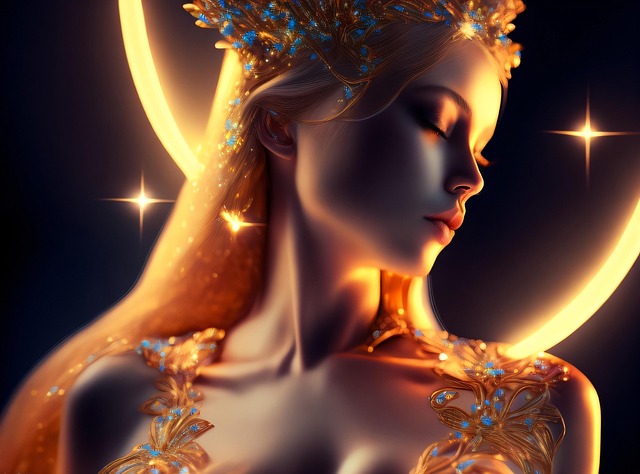
Emerging from advancements in machine learning and neural networks, AI has begun to play a significant role in the creation of visual art. Generative adversarial networks (GANs), for instance, have gained prominence for their ability to produce stunning images that often blur the lines between human and machine-made art. These algorithms operate by training two neural networks against each other: one generates images while the other critiques them, leading to a continuous improvement in quality. As a result, AI can create artwork that, in some cases, is indistinguishable from that of human artists.
The application of AI in art is not limited to mere image generation. Tools such as DeepArt and Runway ML allow users to apply artistic styles to their photographs, transforming everyday images into striking works reminiscent of renowned artists like Van Gogh or Picasso. This democratization of art creation means that individuals without formal training can engage in artistic expression, fostering a new wave of creativity that was previously inaccessible to many.
Furthermore, AI’s ability to analyze vast datasets enables it to identify trends and styles that may not be readily apparent to human artists. By processing thousands of artworks, AI can generate insights that inform new creative directions. This capability not only enhances the creative toolkit available to artists but also challenges traditional notions of originality and authorship.
## The Dialogue Between Human Creativity and Machine Intelligence
While AI’s role in art creation is undeniably transformative, it raises important questions about the nature of creativity itself. Can machines truly be considered creative? Many argue that AI lacks the emotional depth and experiential understanding that human artists bring to their work. The essence of art often lies in the human experience, encompassing emotions, cultural contexts, and personal narratives. Consequently, the relationship between human creativity and machine intelligence becomes a complex dialogue rather than a simple replacement.
Human artists have begun to embrace AI as a collaborative partner rather than a competitor. In this context, artists utilize AI as a tool to augment their creative process, allowing them to explore new ideas and push the boundaries of their work. For example, artist Refik Anadol employs AI to generate immersive installations that respond to data in real-time, creating a dynamic interplay between the viewer and the artwork. This partnership highlights the potential for AI to enhance human creativity rather than diminish it.
Moreover, the integration of AI into the art world has sparked discussions about authorship and ownership. When an AI generates a piece of art, who holds the rights to that creation? These questions have prompted legal and ethical debates, as artists, technologists, and policymakers grapple with the implications of machine-generated works. By navigating this complex landscape, society can better understand the evolving relationship between technology and creativity.
## The Impact of AI on Art Communities and Markets
AI’s influence extends beyond individual artists to encompass entire art communities and markets. Platforms like Artbreeder and DALL-E have emerged, allowing users to collaborate and share AI-generated art, fostering a sense of community among creators. These platforms enable artists to experiment with AI-generated content, remixing and building upon each other’s work. Such collaborative environments encourage innovation and exploration, creating a vibrant ecosystem for artistic expression.
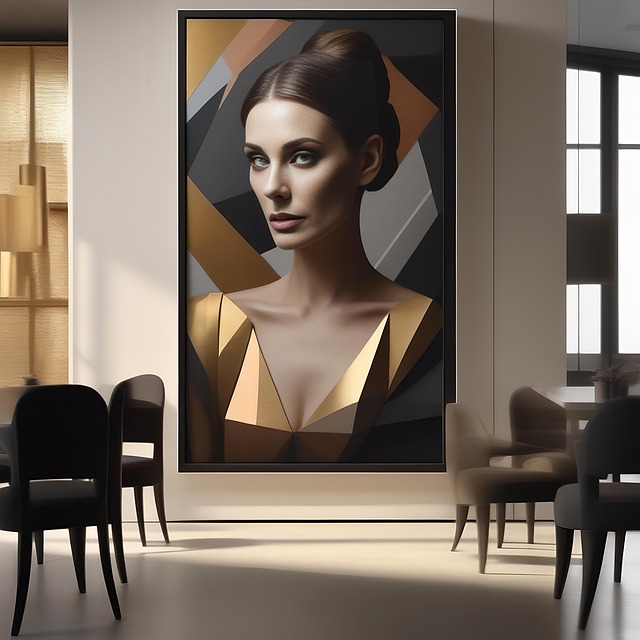
The art market itself is also undergoing significant changes due to AI. Auction houses and galleries are beginning to embrace AI-generated works, blurring the lines between traditional and digital art. In 2018, a portrait created by the AI algorithm GAN was sold at auction for an astonishing $432,500, signaling a growing acceptance of AI art in the mainstream art market. This sale not only highlights the value attributed to AI-generated art but also raises questions about the future of art valuation and the criteria used to assess artistic merit.
Art institutions are also adapting to the rise of AI. Museums and galleries are increasingly exhibiting AI-generated works, challenging visitors to reconsider their perceptions of creativity and authorship. Interactive installations that utilize AI technology offer audiences a unique experience, inviting them to engage with art in novel ways. This shift in exhibition practices reflects a broader recognition of AI as a legitimate medium for artistic expression.
## Conclusion: Embracing the Future of AI Artistry
As AI continues to evolve, its impact on the world of visual expression will only deepen. The technology’s ability to generate art, analyze trends, and facilitate collaboration presents exciting opportunities for artists and audiences alike. Embracing AI as a tool for creativity rather than a threat to artistic integrity will be crucial in navigating this new landscape.
Ultimately, the dialogue between human creativity and machine intelligence will shape the future of art. By recognizing the potential for collaboration, artists can harness AI to expand their creative horizons, while society grapples with the implications of this technological revolution. As we stand at the crossroads of art and technology, one thing is clear: AI artistry is not merely a trend; it represents a fundamental shift in how we understand and engage with visual expression. The future is bright for those willing to explore the uncharted territories of creativity alongside artificial intelligence.