




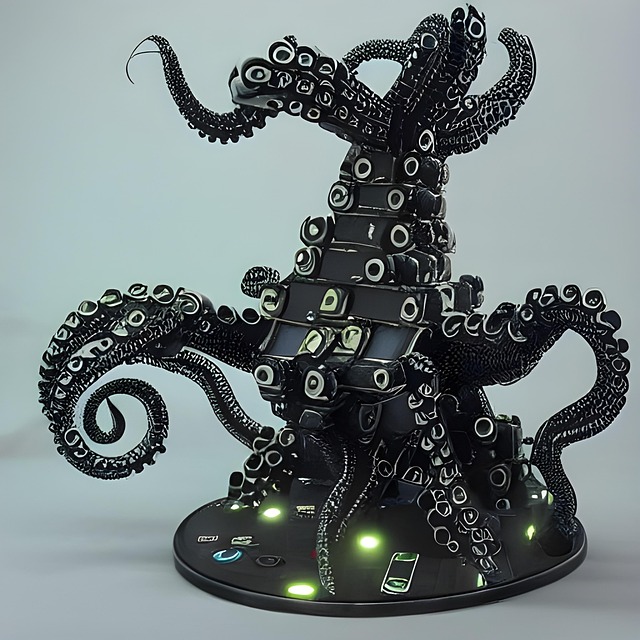
# AI Art: Unveiling the Boundless Possibilities and Transformations in Visual Expression
The advent of artificial intelligence (AI) has catalyzed a revolutionary shift in various fields, with art being one of the most prominent areas of transformation. As technology continues to evolve, AI-generated art has emerged as a novel medium, pushing the boundaries of creativity and challenging traditional notions of authorship and artistry. This article explores the multifaceted dimensions of AI art, its implications for visual expression, and the future it heralds for both artists and audiences.
## The Genesis of AI Art
To comprehend the current landscape of AI art, one must first delve into its origins. The intersection of art and technology is not a new phenomenon; however, the integration of AI into creative processes has introduced unprecedented capabilities. Early experiments with algorithmic art date back to the 1960s, when artists began utilizing computer programs to generate visual works. Fast forward to the 21st century, and sophisticated machine learning algorithms have emerged, capable of analyzing vast datasets of existing artworks, learning styles, and generating new pieces that mimic or even innovate upon traditional art forms.
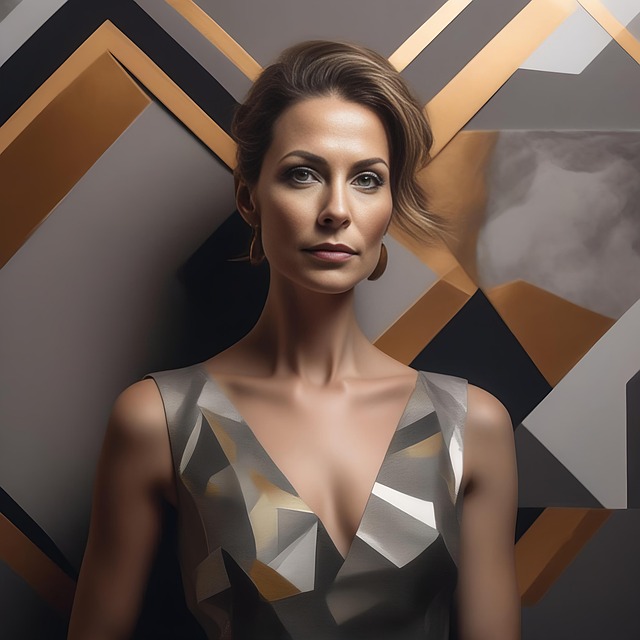
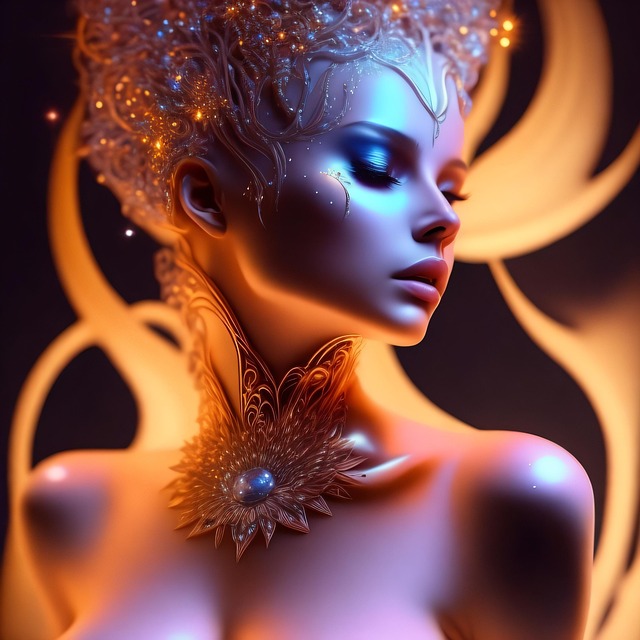
DALL-E, VQGAN+CLIP, and Midjourney are just a few examples of AI systems that have gained notoriety for their ability to produce stunning visual outputs. These systems leverage neural networks to interpret and synthesize information, allowing them to create images based on textual prompts or existing visual references. The results can be strikingly original, prompting discussions about what constitutes art and who holds the creative reins—the machine or the human operator.
## Redefining Artistic Authorship
While the capabilities of AI in generating art are impressive, they also raise profound questions about authorship. Traditionally, art has been viewed as a deeply personal expression of the artist’s thoughts, emotions, and experiences. However, with AI art, the lines blur. Who is the true creator of an AI-generated piece? Is it the programmer who developed the algorithm, the user who input the prompts, or the AI itself? This conundrum has sparked debates among artists, critics, and philosophers alike.
In many instances, artists are using AI as a collaborative tool rather than a replacement. By engaging with AI technologies, they can explore new creative avenues and enhance their artistic practice. This partnership allows for a dynamic interplay where the artist can guide the AI while also being surprised by its outputs. Such collaborations can produce works that reflect a fusion of human intuition and machine learning, resulting in a unique artistic dialogue that challenges conventional definitions of creativity.
Moreover, the democratization of art creation through AI tools is noteworthy. Artists of all backgrounds now have access to sophisticated technologies that were once confined to elite institutions or tech-savvy individuals. This accessibility empowers a broader range of voices and perspectives to emerge in the art world, enriching the cultural landscape and fostering inclusivity. The implications for emerging artists and established professionals alike are vast, as they can experiment with new forms of expression without the constraints of traditional techniques.
## The Future of Visual Expression
Looking ahead, the potential for AI art is boundless. As technology continues to advance, we can expect even more sophisticated AI systems capable of producing complex and nuanced works that resonate with audiences on multiple levels. The integration of augmented reality (AR) and virtual reality (VR) with AI-generated art could lead to immersive experiences that redefine how we engage with visual expression. Imagine walking through a gallery where AI art evolves in real-time based on viewer interactions, creating a personalized experience that reflects individual tastes and emotional responses.
Furthermore, the ethical considerations surrounding AI art will become increasingly significant. As AI systems are trained on existing artworks, questions of copyright and originality will necessitate careful navigation. The art community will need to establish frameworks that respect the contributions of human artists while embracing the innovations brought forth by AI. This dialogue will be crucial in ensuring that AI art is recognized as a legitimate form of expression rather than a mere imitation of human creativity.
In addition to ethical considerations, the role of AI in the art market is also evolving. Collectors are beginning to invest in AI-generated pieces, recognizing their potential as both artistic and financial assets. Auctions featuring AI art have garnered significant attention, with some pieces fetching astonishing prices. This trend indicates a shift in how value is assigned to art, challenging traditional paradigms and inviting new forms of investment and appreciation.
## Conclusion: Embracing the New Paradigm
In conclusion, the emergence of AI art represents a paradigm shift in visual expression that invites both excitement and contemplation. By harnessing the power of artificial intelligence, artists can explore uncharted territories of creativity, pushing the envelope of what is possible in the realm of art. The questions surrounding authorship, ethics, and market dynamics will continue to evolve, necessitating ongoing dialogue among artists, technologists, and audiences.
As we embrace this new frontier, it is essential to recognize that AI art does not diminish the value of human creativity; rather, it enhances and expands it. The future of visual expression lies in collaboration—between humans and machines, between tradition and innovation. By fostering an environment where creativity can thrive in all its forms, we can unlock the boundless possibilities that AI art presents, paving the way for an enriched cultural landscape that celebrates diversity, inclusivity, and the endless potential of human imagination.