# Top AI Tools Every Artist Needs to Elevate Their Work and Transform Their Artistic Process
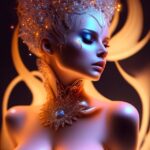
The world of visual and digital art is undergoing a revolution, thanks to the integration of artificial intelligence (AI) tools. These innovations are not just enhancing the artistic process; they are fundamentally changing how artists create, conceptualize, and share their work. In this article, we will explore some of the most impactful AI tools for artists, including DALL·E, Midjourney, Stable Diffusion, Runway ML, and Adobe Firefly. We will discuss how these platforms assist in various artistic endeavors, from digital illustration to video generation, and provide real-world examples from artists and creative professionals.
## The Rise of AI in Art
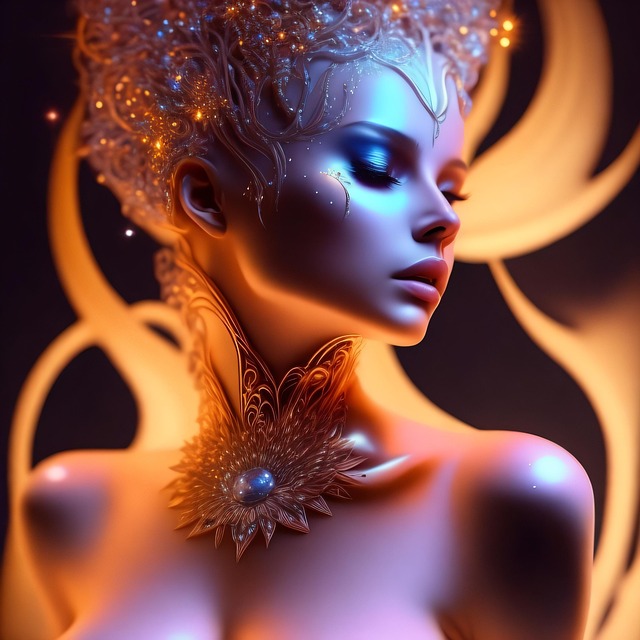
AI tools for artists are designed to streamline the creative process, allowing artists to focus more on their vision and less on technical constraints. These generative art tools can produce stunning visuals, assist in brainstorming ideas, and even automate repetitive tasks. As AI continues to evolve, its role in the creative fields is becoming increasingly significant.
### Key AI Tools for Artists
#### 1. DALL·E
**What It Is:** Developed by OpenAI, DALL·E is an AI model capable of generating images from textual descriptions. It can create unique and imaginative visuals that align closely with the prompts provided.
**How It Helps:** DALL·E is particularly useful for artists looking to brainstorm ideas or visualize concepts that may be difficult to articulate. For instance, an artist might input a prompt like “a futuristic cityscape at sunset,” and DALL·E will generate multiple interpretations of that scene.
**Real-World Example:** Digital artist Anna Ridler used DALL·E to explore the intersection of AI and traditional art forms. By inputting various descriptions, she was able to create a series of artworks that blended her style with the AI’s interpretations, showcasing the potential of collaboration between human creativity and machine learning.
#### 2. Midjourney
**What It Is:** Midjourney is an independent research lab that has developed an AI tool capable of creating high-quality images from text prompts. It is known for its distinct artistic style and ability to produce surreal and dreamlike images.
**How It Helps:** Midjourney allows artists to experiment with different aesthetics and styles quickly. By simply tweaking the text prompts, artists can explore a wide range of visual possibilities without the time investment typically required for manual illustration.
**Real-World Example:** Concept artist Tasha B. utilized Midjourney to develop characters for a graphic novel. By generating various character designs through different prompts, she was able to identify key elements that resonated with her vision, ultimately refining her artistic direction.
#### 3. Stable Diffusion
**What It Is:** Stable Diffusion is a powerful AI model that generates images based on textual input. It is open-source, allowing artists to modify and customize the tool to suit their individual needs.
**How It Helps:** This flexibility makes Stable Diffusion ideal for artists who want to push the boundaries of their work. It can be used to create everything from intricate illustrations to abstract art, providing a versatile platform for creative expression.
**Real-World Example:** Artist and designer Sam Yang has leveraged Stable Diffusion to create unique illustrations for his personal projects. By adjusting the underlying code, he was able to fine-tune the output to match his artistic style, demonstrating how AI can be a collaborative partner in the creative process.
#### 4. Runway ML
**What It Is:** Runway ML is a creative suite that offers a range of AI tools for artists, including video generation, image manipulation, and real-time collaboration features.
**How It Helps:** Runway ML is particularly beneficial for filmmakers and video artists. Its capabilities allow users to generate videos from images, apply effects, and even edit footage using AI. This streamlines workflow and enhances creativity by enabling artists to experiment with new ideas quickly.
**Real-World Example:** Filmmaker and visual artist Kevin McGloughlin used Runway ML to create a short film that blended live-action footage with AI-generated visuals. By integrating AI into his workflow, he was able to explore new narrative possibilities and create a visually stunning final product.
#### 5. Adobe Firefly
**What It Is:** Adobe Firefly is a suite of AI-powered creative tools integrated into Adobe’s ecosystem. It includes features for generating images, video effects, and content-aware editing.
**How It Helps:** Firefly empowers artists to enhance their design work through generative capabilities. For example, designers can use Firefly to create variations of a logo or generate images that fit specific themes, saving time and effort in the design process.
**Real-World Example:** Graphic designer Maria S. leveraged Adobe Firefly to create a marketing campaign for a client. By using the AI tools to generate multiple design concepts quickly, she was able to present a wider range of options, leading to a successful and visually cohesive campaign.
### The Benefits of Using AI Tools for Artists
– **Enhanced Creativity:** AI tools can spark new ideas and push artists to explore styles and concepts they may not have considered.
– **Increased Efficiency:** By automating repetitive tasks, artists can focus on the creative aspects of their work, resulting in higher productivity.
– **Collaboration Opportunities:** These tools allow for a new form of collaboration between human creativity and machine intelligence, leading to innovative outcomes.
– **Accessibility:** Many AI tools are user-friendly and accessible, enabling artists of all skill levels to experiment with digital art and design.
### Conclusion: The Future of AI in Creative Fields
As AI tools for artists continue to evolve, they are set to redefine the landscape of visual and digital art. Platforms like DALL·E, Midjourney, Stable Diffusion, Runway ML, and Adobe Firefly are not just tools; they are collaborators that enhance the creative process. The future holds exciting possibilities for artists willing to embrace these technologies, allowing them to elevate their work and transform their artistic practices.
In this new era of generative art tools, artists must remain open to experimentation and adaptation. The integration of AI into creative fields is not about replacing human creativity but rather augmenting it, providing new avenues for expression and innovation. As we move forward, the synergy between art and technology will continue to inspire and shape the future of creativity.