


# AI Art: The Intersection of Technology and Vision in Modern Visual Expression
The advent of artificial intelligence (AI) has transformed numerous fields, and the realm of visual arts is no exception. Artists and technologists alike are exploring the potential of AI to create innovative forms of expression that challenge traditional boundaries. As AI-generated art continues to gain traction, it raises essential questions about creativity, authorship, and the future of artistic endeavors. This article delves into the fascinating world of AI art, examining its emergence, the technology behind it, and its implications for the art community.
## The Emergence of AI Art
Historically, art has always been a reflection of the tools available to creators. From the invention of the camera to the digital revolution, each technological advancement has redefined artistic possibilities. In recent years, AI has emerged as a powerful tool for artists, enabling them to explore new creative avenues. The rise of machine learning algorithms, particularly generative adversarial networks (GANs), has paved the way for the creation of art that is not only visually stunning but also conceptually rich.
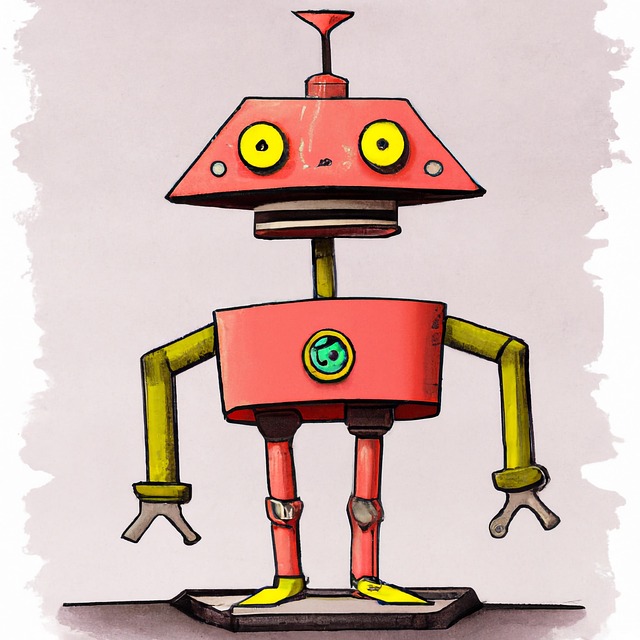
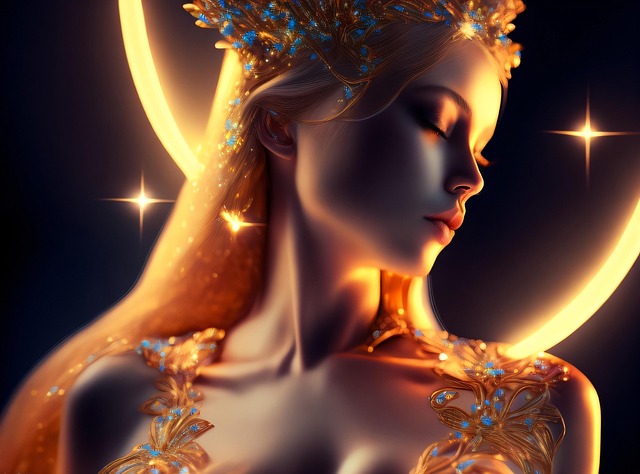
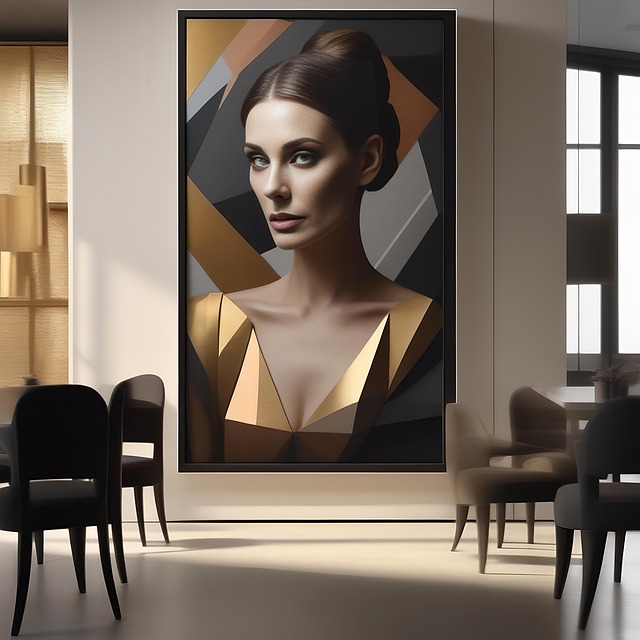
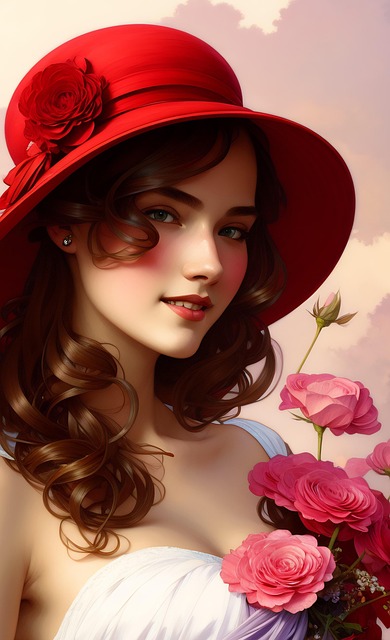
Significantly, the first prominent examples of AI art began surfacing in the early 2010s, with programs capable of generating images based on vast datasets. These algorithms analyze thousands of existing artworks, learning patterns, styles, and techniques. As a result, AI-generated pieces can mimic the aesthetics of renowned artists or even create entirely new styles that challenge conventional definitions of art. The output is often surprising and thought-provoking, prompting discussions about the nature of creativity itself.
Moreover, the accessibility of AI tools has democratized art creation. Artists who may not have formal training in traditional techniques can harness the power of AI to express their visions. Platforms like DeepArt and Runway ML allow users to experiment with AI-generated visuals, making it easier for individuals to engage with art-making processes. This shift has led to a proliferation of diverse voices in the art world, expanding the definition of who can be considered an artist.
## The Technology Behind AI Art
Understanding AI art necessitates a grasp of the underlying technology that fuels it. At the core of many AI art systems is machine learning, particularly deep learning, which involves training neural networks on large datasets. Generative adversarial networks (GANs) are a particularly influential type of architecture in this context. GANs consist of two neural networks—the generator and the discriminator—that work in tandem to produce and evaluate images.
The generator creates new images based on the training data, while the discriminator assesses whether the images are real or fake. Through this iterative process, the generator improves its output, ultimately producing images that can be indistinguishable from those created by human artists. This technology has been applied in various artistic contexts, from painting and sculpture to music and literature, showcasing its versatility.
In addition to GANs, other techniques such as style transfer have gained popularity in the AI art landscape. Style transfer allows artists to apply the stylistic elements of one image to another, creating hybrid artworks that blend different influences. This approach has led to the emergence of unique art forms that challenge traditional notions of originality and authorship. By leveraging these technologies, artists can experiment with new aesthetics and push the boundaries of their creative practices.
Furthermore, the role of data cannot be overlooked. The quality and diversity of the training datasets significantly influence the output of AI-generated art. Curating these datasets requires careful consideration of the cultural and historical contexts represented within them. As such, the selection process raises ethical questions about representation and bias, emphasizing the need for a thoughtful approach to AI art creation.
## Implications for the Art Community
As AI art gains prominence, it has sparked a myriad of discussions within the art community. One of the most pressing questions revolves around authorship. If an artwork is created by an algorithm, who is the true artist? Is it the programmer who developed the AI, the machine itself, or the individual who input the parameters? These inquiries challenge long-standing notions of creativity and ownership, compelling artists and critics to reevaluate the definition of authorship in the digital age.
Additionally, the rise of AI-generated art has implications for the art market. Traditional galleries and auction houses are beginning to recognize the value of AI art, with some pieces fetching significant sums at auctions. However, this commercialization raises concerns about the potential for commodification and the dilution of artistic intent. As collectors seek to invest in AI art, the question arises: does the value of art lie in its emotional resonance or its market price?
Moreover, the integration of AI in art creation has prompted discussions about the future of artistic labor. While some view AI as a collaborative partner that enhances human creativity, others express concern that it may replace traditional artists. This tension highlights the need for a nuanced understanding of the relationship between technology and creativity. Rather than viewing AI as a threat, many artists are embracing it as a tool that can augment their practice and inspire new forms of expression.
In conclusion, AI art represents a fascinating intersection of technology and vision, redefining the landscape of modern visual expression. As artists continue to explore the possibilities offered by AI, the art community must engage in critical conversations about authorship, ethics, and the future of creativity. By embracing these discussions, we can navigate the complexities of this evolving field and celebrate the innovative potential of AI in art. The journey of AI art is just beginning, and its impact on the creative world is sure to unfold in exciting and unforeseen ways.