



# The Intersection of Technology and Art: How AI Is Redefining the Landscape of Artistic Expression
The convergence of technology and art has long been a fertile ground for innovation, pushing the boundaries of creativity and expression. In recent years, artificial intelligence (AI) has emerged as a transformative force within this space, redefining what it means to create art. This article explores how AI is reshaping artistic expression, the implications for artists and audiences alike, and the future of this evolving relationship.
## The Emergence of AI in Artistic Creation
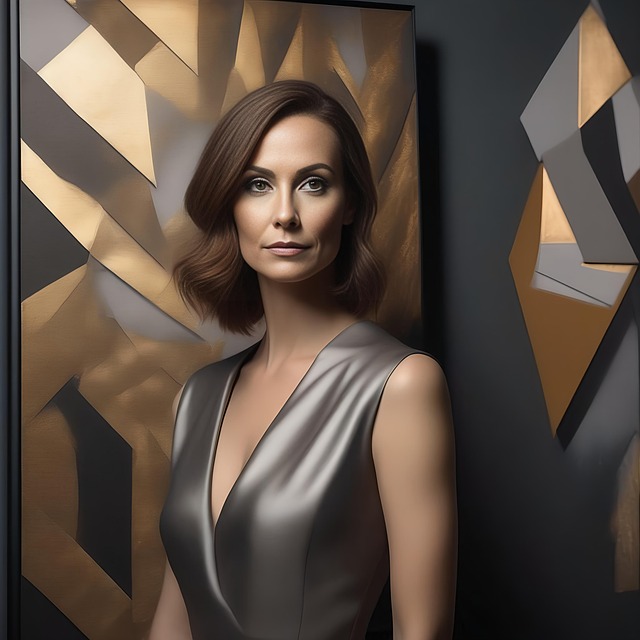
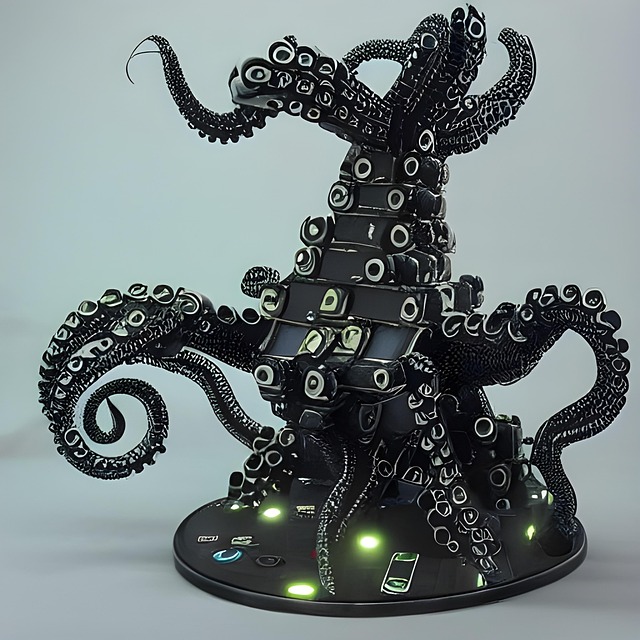
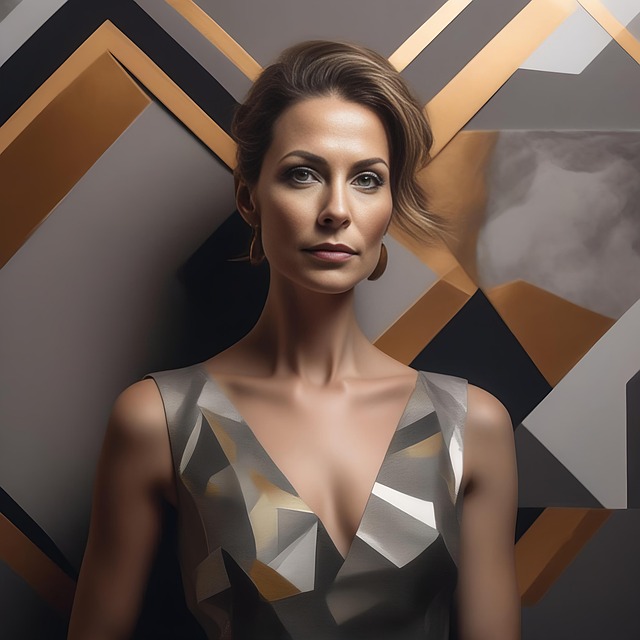
Initially, the application of AI in the arts seemed like a distant concept, confined to the realms of theoretical exploration. However, advancements in machine learning and neural networks have enabled AI to generate original works of art, music, and literature. By analyzing vast datasets of existing artworks, AI systems can identify patterns, styles, and techniques that inform their creations. This capability has led to a new genre of art, often referred to as “algorithmic art,” where the line between human creativity and machine-generated output becomes increasingly blurred.
In practice, artists are now collaborating with AI to enhance their creative processes. Tools like DeepArt and Runway ML allow creators to manipulate images and sounds in ways that were previously unimaginable. For instance, an artist can input a photograph and apply the style of a famous painter, creating a hybrid piece that pays homage to the original while also standing as a unique work. This collaborative approach not only expands the artist’s toolkit but also invites audiences to engage with art in novel ways.
Moreover, the accessibility of AI tools has democratized artistic creation. Individuals who may not have traditional artistic training can now experiment with these technologies, leading to a surge of creativity from unexpected sources. As a result, the art world is witnessing an influx of diverse voices and perspectives, enriching the cultural landscape.
## The Impact on Traditional Artistic Practices
As AI continues to permeate the art world, traditional artistic practices are undergoing significant transformations. Long-established definitions of creativity and originality are being challenged, prompting a reevaluation of what constitutes art. The emergence of AI-generated works raises questions about authorship and ownership, as the creative process becomes a collaborative endeavor between human and machine.
Critics often argue that AI lacks the emotional depth and intent that characterize human artistry. However, proponents of AI in art contend that these technologies can evoke emotions and provoke thought in their own right. For example, the work of AI-generated artists, such as the portrait “Edmond de Belamy,” which sold at auction for an impressive sum, demonstrates that audiences are willing to engage with and appreciate art that emerges from non-human sources.
In addition, traditional artists are finding new ways to incorporate AI into their workflows, using it as a tool to augment their creativity rather than replace it. For instance, musicians can harness AI algorithms to generate melodies or harmonies, providing a fresh perspective on their compositions. This fusion of human intuition and machine learning fosters an environment where innovation thrives, pushing artists to explore uncharted territories.
Consequently, the art world is evolving into a hybrid ecosystem where human creativity and technological advancement coexist. Artists are no longer solely defined by their individual skills; they are now collaborators with machines, engaging in a dialogue that challenges conventional notions of artistry.
## The Future of AI and Artistic Expression
Looking ahead, the potential for AI to influence the future of artistic expression is vast and multifaceted. As technology continues to evolve, we can anticipate even more sophisticated AI systems capable of generating increasingly complex and nuanced works. This progression raises intriguing possibilities for the future of art, including the potential for AI to create immersive experiences that blur the boundaries between the digital and physical realms.
Moreover, the integration of AI into the art world is likely to lead to new forms of interactivity and engagement. Imagine an exhibition where visitors can interact with AI-generated installations, customizing the experience based on their preferences or emotional responses. Such innovations could transform how audiences experience art, fostering deeper connections between creators and viewers.
Ethical considerations will also play a critical role in shaping the future of AI in art. As the lines between human and machine-generated content continue to blur, questions surrounding copyright, authenticity, and the value of art will become increasingly pertinent. Artists, technologists, and policymakers must navigate these complexities to ensure that the integration of AI into the arts is both responsible and equitable.
Ultimately, the intersection of technology and art heralds a new era of artistic expression. While challenges lie ahead, the opportunities for innovation and collaboration are immense. As AI continues to redefine the landscape of art, it invites us to reconsider our understanding of creativity and the role of technology in shaping our cultural narratives.
In conclusion, the fusion of AI and art is not merely a trend; it represents a profound shift in how we create, experience, and understand artistic expression. As we embrace this new paradigm, we are reminded that art, in all its forms, is a reflection of our humanity—an ever-evolving dialogue between the known and the unknown, the human and the machine.